
Mapping Lubbock’s Future
Infrastructure as the
Foundation of Economic Growth
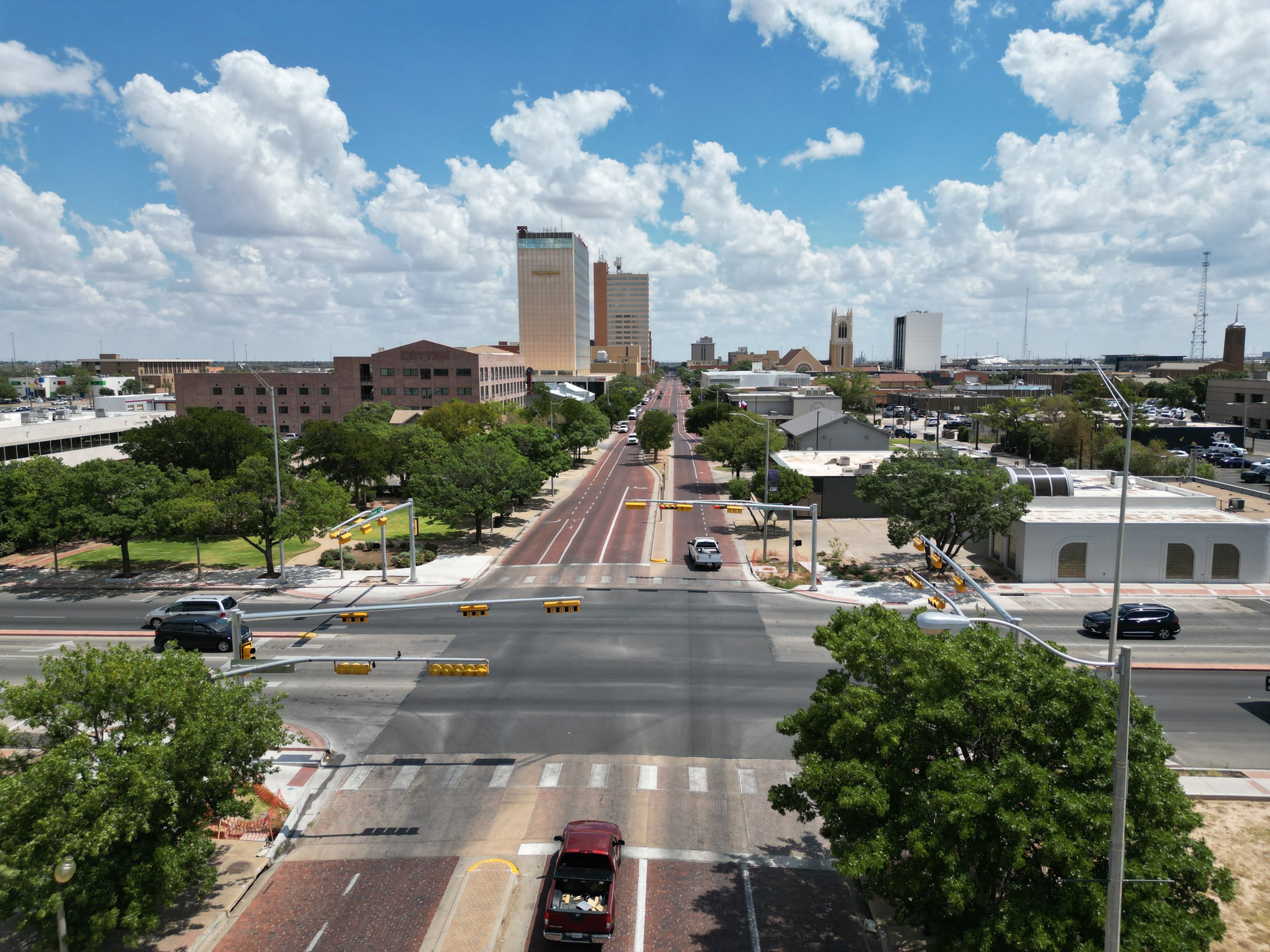
Lubbock’s growth story isn’t happening by chance; it’s being shaped by intentional investment, strategic planning, and a clear understanding of where opportunity meets infrastructure.
As the city continues to expand, the conversation is no longer just about population gains or geographic growth. It’s about how Lubbock is positioning itself to compete regionally, statewide, and nationally by aligning infrastructure with long-term economic development goals.
A Young Market Positioned for Long-Term Success
With a population exceeding 275,000 and a median age of just 32, Lubbock stands out as one of the youngest urban markets in Texas. That demographic advantage is more than a statistic—it represents a sustainable workforce pipeline that supports business recruitment, expansion, and long-term economic resilience.
Growth is no longer concentrated in one part of the city. While south and southwest Lubbock have historically led development, expansion is now occurring west, northwest, north central, and northeast. This outward movement is also strengthening surrounding communities like Wolfforth, Shallowater, Slaton, and Idalou, reinforcing Lubbock’s role as the economic center of the region.
Transportation Corridors Creating Opportunity
Infrastructure is often the deciding factor in where companies choose to locate, and Lubbock is making strategic investments to stay competitive.
The continued expansion of Interstate 27—particularly its planned extension to Laredo, the nation’s largest inland port—positions Lubbock as a critical connector in a major trade corridor. For logistics, distribution, and manufacturing operations, connectivity translates directly into efficiency and market access.
At the same time, Loop 88 is actively reshaping how the city grows. With the first four miles now complete and open to the public, the project is already improving mobility and setting the stage for future development. As additional segments come online, Loop 88 will not only enhance traffic flow but also unlock new sites for industrial and commercial investment along its path.
Together, these corridors are doing more than moving people and goods—they are defining where Lubbock’s next wave of economic growth will occur.
Multimodal Strength Through Rail
Lubbock’s transportation advantage extends beyond highways. The BNSF main line provides direct connectivity across key markets, linking Houston to Amarillo through Lubbock.
This access is especially valuable for industries that depend on flexible shipping options. Short-line rail providers, including Plainsman Switching Company and the WTRCO line, further expand those capabilities by supporting transloading and infill development opportunities.
The result is a multimodal network that allows companies to operate more efficiently and choose locations that best fit their operational needs—an increasingly important factor in today’s supply chain environment.
Power Capacity as a Competitive Edge
Energy availability is becoming a defining factor in economic development, particularly for industries with high power demands. Lubbock is uniquely positioned in this space.
With access to transmission infrastructure originally built to carry wind energy from West Texas to larger metropolitan areas, the region can utilize capacity that is increasingly constrained elsewhere. Combined with Lubbock’s integration into ERCOT and continued investments by LP&L, this creates a strong foundation for attracting energy-intensive users such as data centers and advanced manufacturing.
Planning for Sustainable Growth
Strategic growth also requires a clear understanding of constraints. Lubbock’s four active airports require protected airspace, shaping how surrounding land can be developed. Oil and gas infrastructure corridors, particularly on the north and east sides of the city, introduce additional considerations for site selection and long-term planning.
The city’s land application area further underscores the importance of thoughtful development. While often misunderstood as available land, it remains a regulated space that must be managed carefully within Lubbock’s broader growth strategy.
Recognizing and planning with these factors at play ensures that growth is not only rapid but sustainable and aligned with long-term community goals.
Securing the Future of Water
Water security remains one of the most critical components of Lubbock’s future. The development of a new eastside lake near Loop 88 represents a major step forward in strengthening supply.
With an expected capacity of 10–12 million gallons per day, this investment will complement Lake Alan Henry and support continued residential, commercial, and industrial expansion. Beyond supply, it also enhances the city’s ability to implement more efficient water reuse strategies—an increasingly important consideration for long-term resilience.
Building with Intention
Lubbock’s growth is not simply about expanding outward; it’s about building with purpose. Infrastructure investments across transportation, energy, water, and land use are aligned to create a community that is not only growing, but prepared.