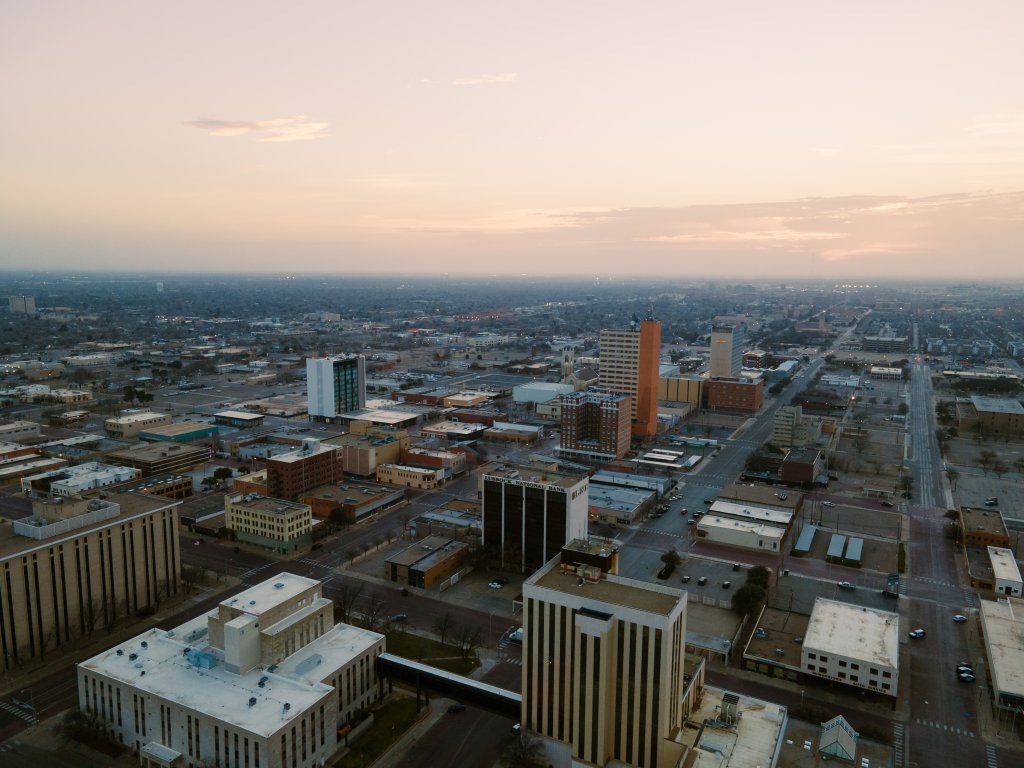
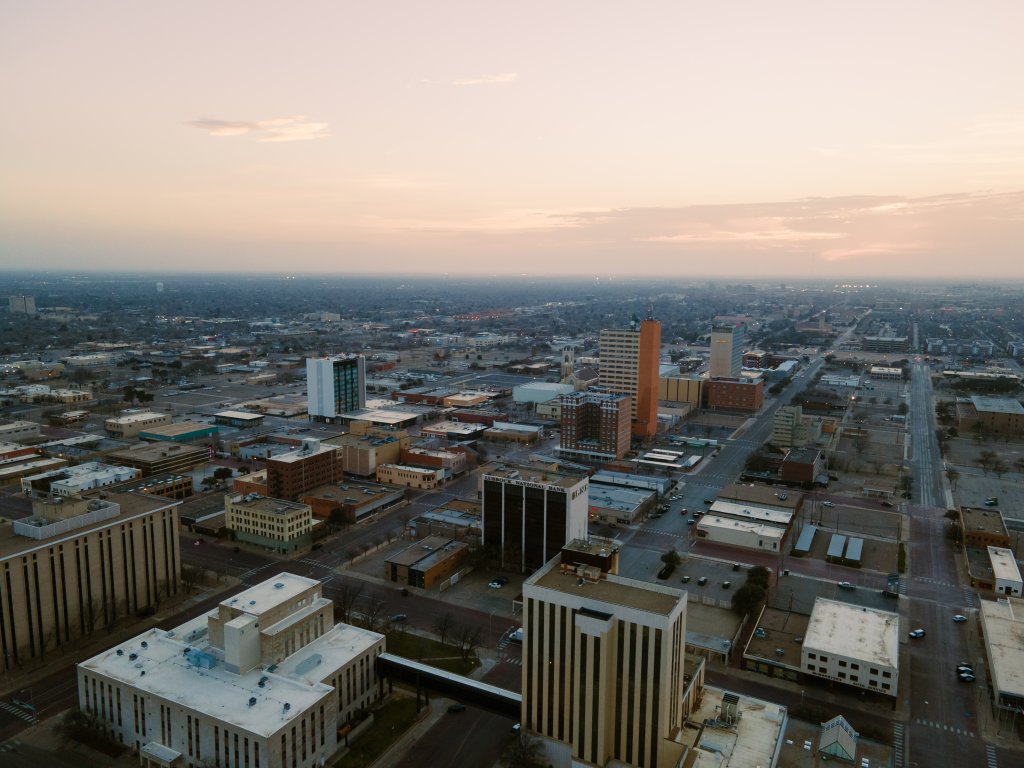
Downtown Lubbock
Sustained Momentum, Shared Vision
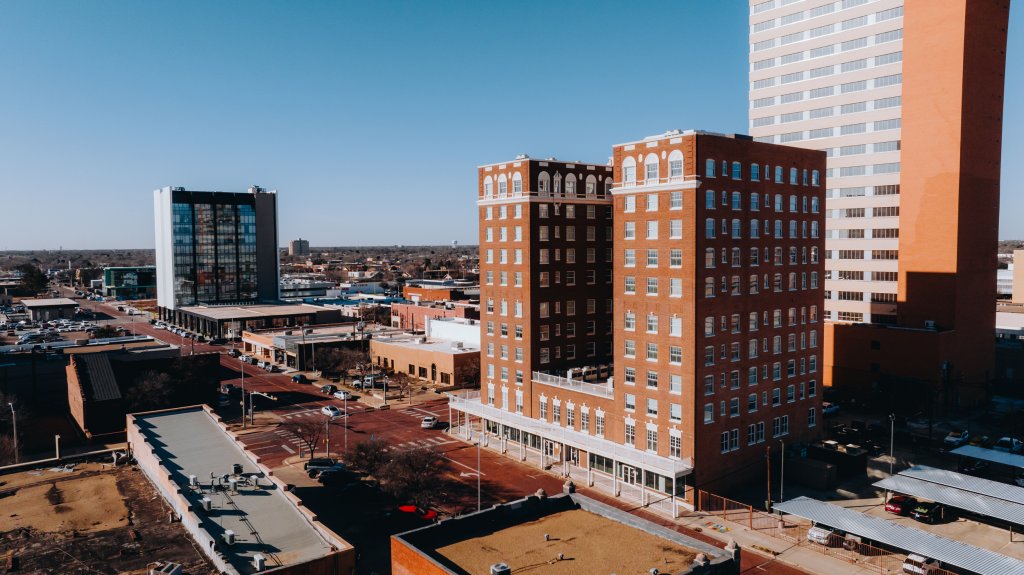
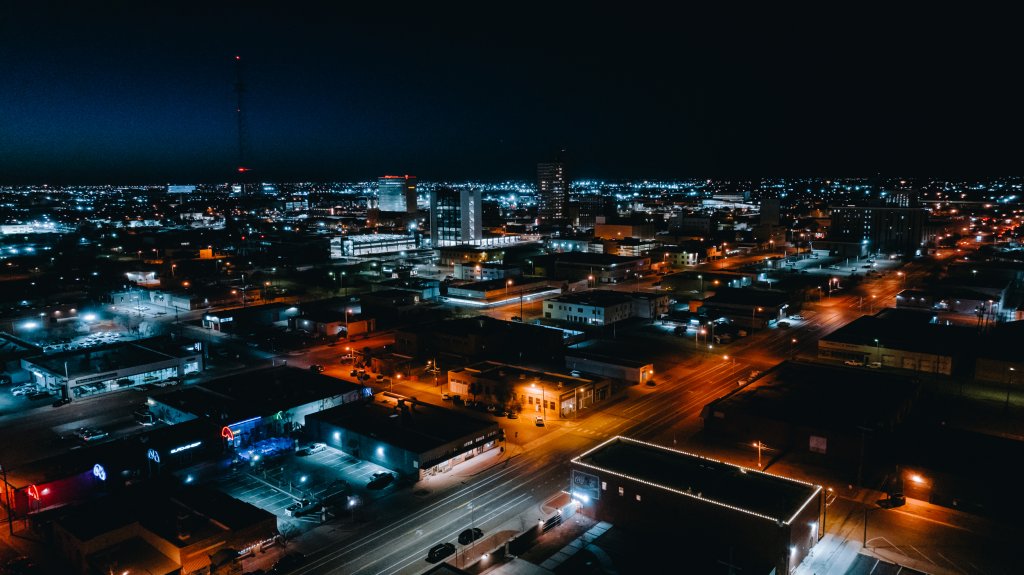
Long before suburban growth reshaped development patterns, downtown was the center of commerce, culture, and connection. Like many communities across the country, Lubbock experienced that momentum shift outward in the 1970s. Over the last 15 years, however, downtown Lubbock has been writing a very different story, one defined by reinvestment, partnership, and strong momentum.
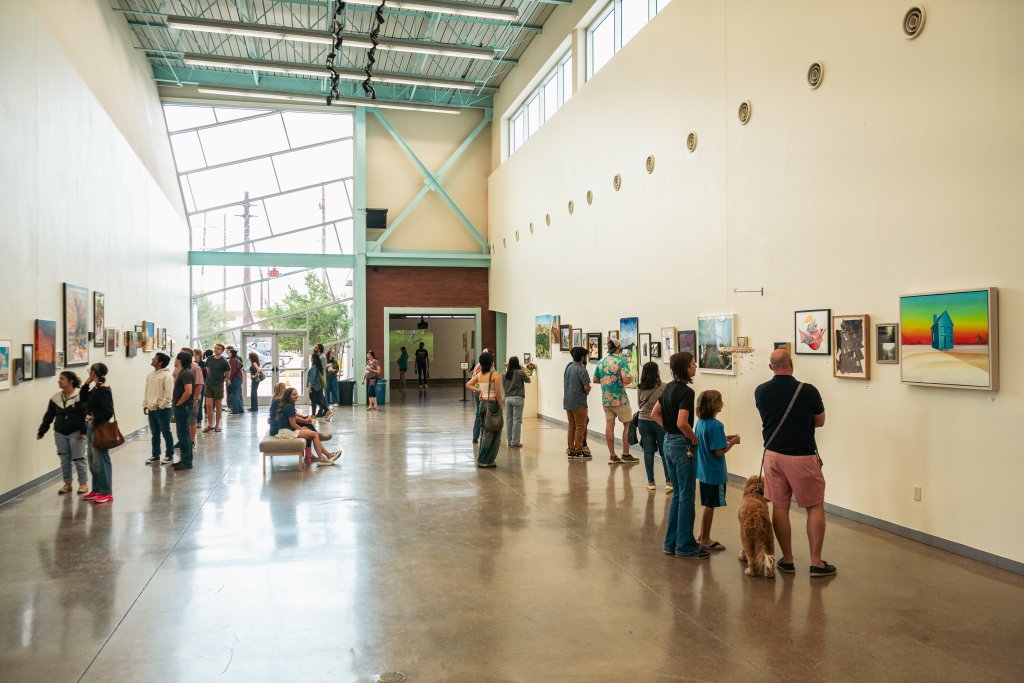
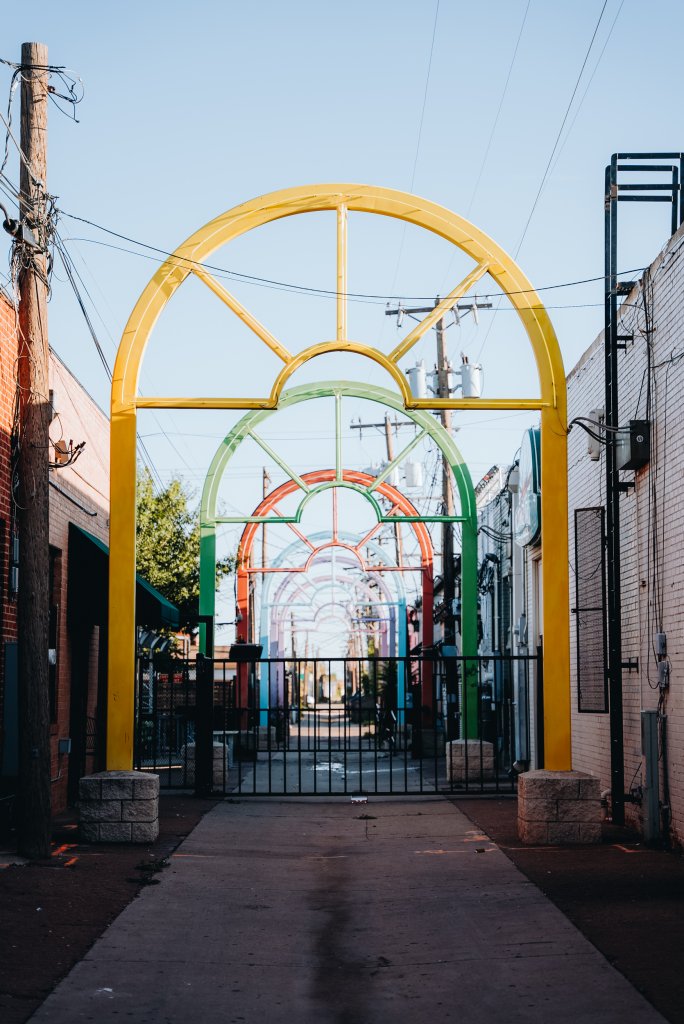
As we celebrate National Economic Development Week, downtown Lubbock stands as one of the clearest examples of how long-term collaboration can reshape a community’s future. What makes its evolution especially remarkable is that no single organization is solely responsible for its success. Instead, its growth has been fueled by a broad coalition of stakeholders: property owners, developers, small business owners, city leadership, and community partners. That shared investment has created something powerful – a one-square-mile district, with each area – from the Depot District to the Cultural Arts District to the central business core – lending its own identity to downtown revitalization.
The result is visible not only in the streetscape. The data itself tells a story of sustained confidence. In 2010, city permits pulled represented $3-4 million in proposed and planned investments. Today, city permits pulled an average of a remarkable $20 million each year.
Additionally, the taxable value of downtown Lubbock’s one-square-mile Tax Increment Financing (TIF) district has grown from approximately $100 million in 2001 to nearly $300 million in 2025. These numbers reflect more than rising property values—they represent confidence from both longtime property owners reinvesting in their assets and new owners bringing fresh vision to long-held properties. Together with developers transforming underutilized spaces into destinations, this momentum highlights the kind of public-private partnership that drives long-term economic development.
One of the most important shifts happening in downtown Lubbock today is residential growth.
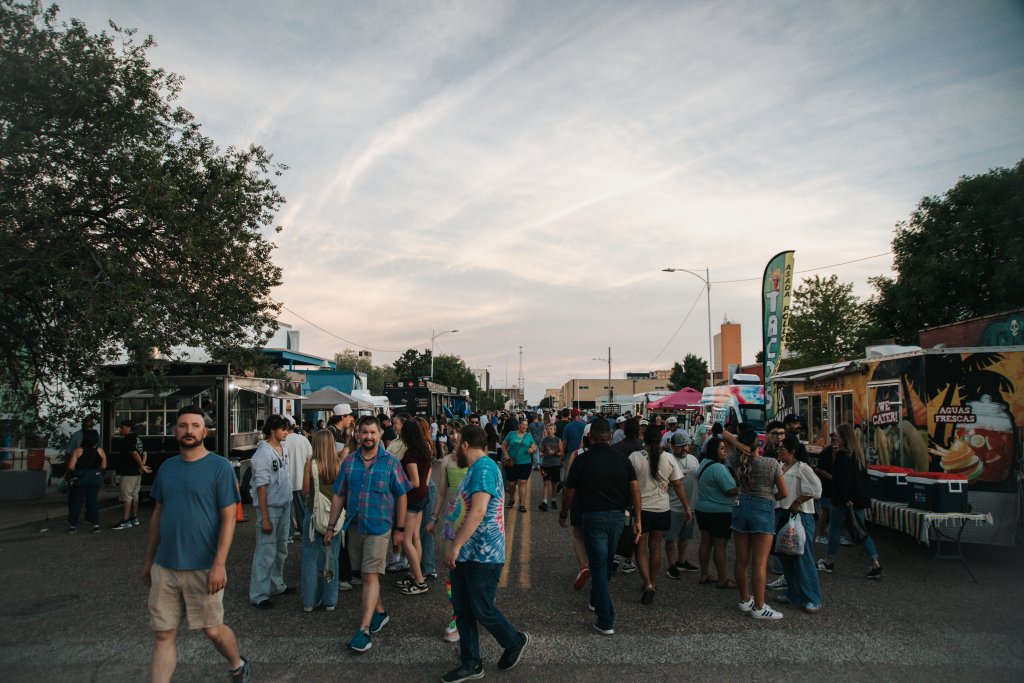
Like many traditional business districts, activity often faded after 5 p.m., leaving downtown Lubbock quieter in the evenings and on weekends. That dynamic is changing through residential developments such as the Pioneer Pocket Hotel, Courthouse Lofts, Metro Tower Lofts, and the newly activated InTown Lofts, which are helping to create the around-the-clock residential presence that healthy downtown districts need. More residents mean more foot traffic beyond business hours, which naturally creates demand for the everyday amenities and services people rely on.
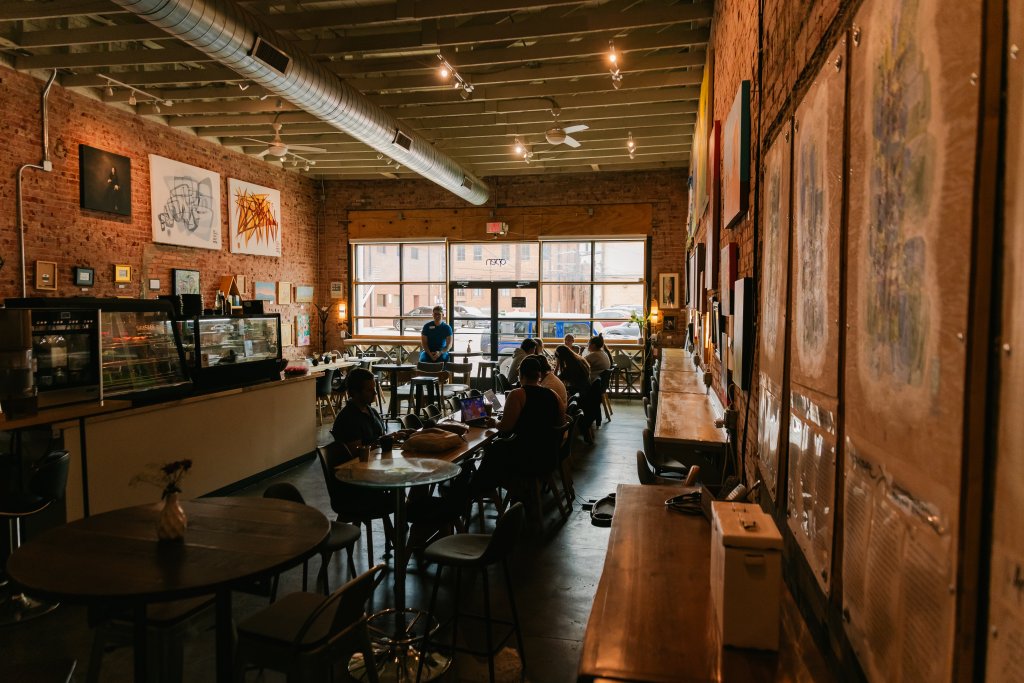
The diversity of businesses choosing downtown also reflects the district’s growing role in Lubbock’s broader economy. The area continues to attract everything from restaurants, bars, and creative businesses to law offices, corporate headquarters, and newly built professional spaces.
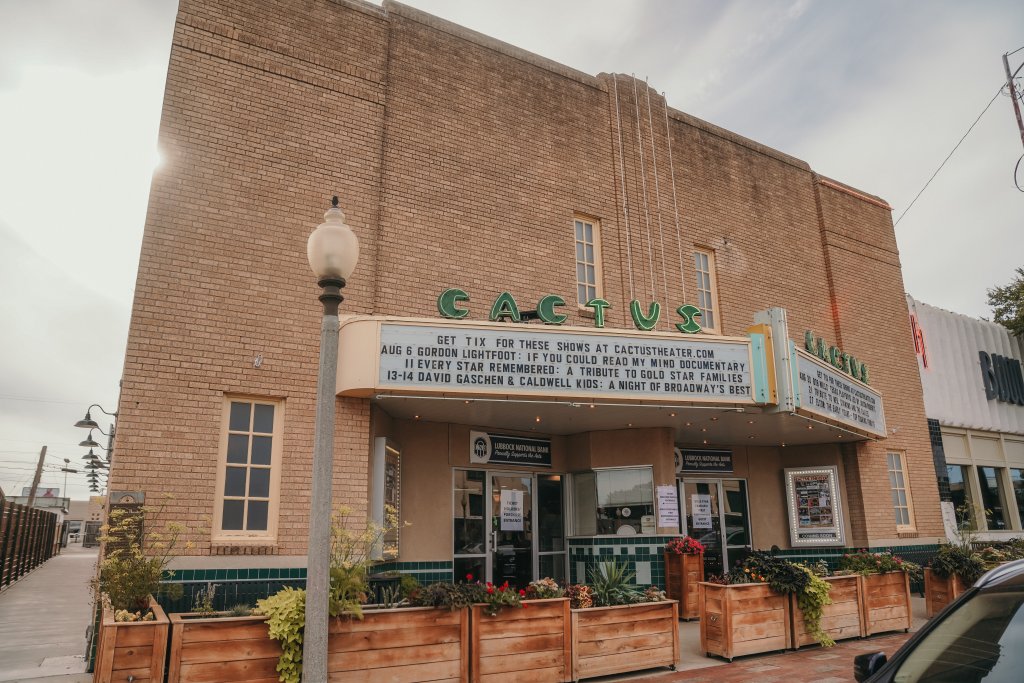
Importantly, this growth is not replacing the legacy businesses that have anchored downtown for decades. Longstanding staples along Broadway, the Lubbock Cultural Arts District, the Depot District, and surrounding corridors continue to play a vital role in the area’s identity. In fact, as downtown Lubbock continues to see investment, residents expect new development to bolster business, increase customer traffic, and create a stronger ecosystem of choices by occupying neighboring storefronts. In healthy downtown districts, competition becomes complementary; more options create more reasons for people to stay longer, explore farther, and return more often.
Looking ahead, the next five years hold significant promise. Major catalytic projects like Broadway Market, Civic Park activity, and continued mixed-use investment are poised to strengthen existing momentum. While developer interest will continue, downtown Lubbock is poised for significant growth.
That is what economic development looks like at its best, not one project, one building, or one organization, but the steady alignment of public investment, private confidence, and community belief.
If downtown’s momentum can be summed up in one phrase, it is this: strong, sustained momentum built through shared vision.